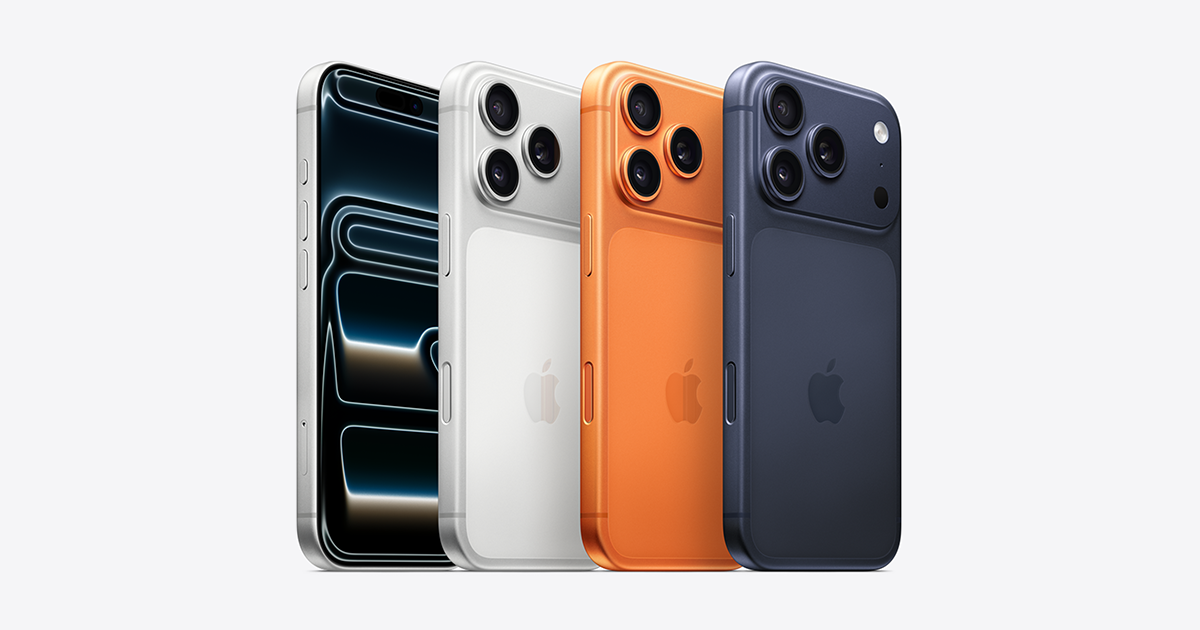
Pixel 10 Pro vs. iPhone 17 Pro: Which Flagship Wins?

We compared both phones across 12 rounds — display, performance, cameras, battery, software, and ecosystem. Both have just been replaced by newer models, which makes this a value matchup — and the answer depends more on you than on the specs.

SP
Sam Park
Senior Mobile Editor · 11 years reviewing smartphones
198 comments 6.1k shares

Every year, one Android-versus-iPhone matchup actually matters. This year it's the two best "small" flagships of last generation. The Google Pixel 10 Pro and the Apple iPhone 17 Pro are both 6.3-inch, aluminum-framed phones with 120Hz OLED displays, 3nm chips, a triple-camera system with a periscope telephoto, and IP68 water resistance — but they're built around fundamentally different philosophies: Google bets on AI and software, Apple bets on silicon, video, and ecosystem.

Both are also last year's models now. Google launched the Pixel 11 Pro on August 12, 2026 at $1,099, and Apple introduced the iPhone 18 Pro on September 9, 2026 at $1,199 — and stopped selling the iPhone 17 Pro the same day. The Pixel 10 Pro, meanwhile, is still on the Google Store, where it was listed from $749 for the 128GB model (regularly $999) at the time of writing. That turns this comparison into a question of value, not just specs.

This isn't a "spec sheet showdown" review. Spec sheets don't tell you which phone you'll actually enjoy using. What follows is 12 rounds of head-to-head comparison across the categories that matter — design, display, performance, cameras, battery, charging, software, AI, ecosystem, and the one thing that turns out to decide the whole result. Everything here is built on official specs from Google and Apple and published pricing. If you're shopping right now, check current offers on our deals page or browse more matchups in our comparison tool.

Google Pixel 10 Pro

  • Display 6.3" LTPO OLED 120Hz, 3,300 nits
  • Chip Google Tensor G5, 16 GB RAM
  • Main camera 50MP, f/1.68
  • Zoom 5x optical (48MP), up to 100x
  • Battery 4,870 mAh (24+ hrs)
  • Charging 30W wired / 15W Qi2 wireless
  • Frame Aluminum + Gorilla Glass Victus 2
  • Weight 207 g
  • OS support 7 years (OS + security)
  • Starting price $999 at launch (from $749 now)

Apple iPhone 17 Pro

  • Display 6.3" OLED 120Hz, 3,000 nits outdoor
  • Chip Apple A19 Pro
  • Main camera 48MP, f/1.78
  • Zoom 4x optical (48MP), 8x optical-quality
  • Battery Up to 31 hrs video playback
  • Charging 50% in 20 min / 25W MagSafe
  • Frame Aluminum unibody + Ceramic Shield 2
  • Weight 206 g
  • OS support iOS 26 at launch (no fixed pledge)
  • Starting price $1,099 at launch (no longer sold by Apple)
Round 01

Design & Build Quality

These two phones are almost the same size and weight: the Pixel 10 Pro weighs 207 g and the iPhone 17 Pro weighs 206 g. The Pixel pairs an aluminum frame with Corning Gorilla Glass Victus 2 on the front and back, and keeps Google's signature horizontal camera bar. The iPhone moves to an aluminum unibody with Ceramic Shield 2 on the front and Ceramic Shield on the back, plus a vapor chamber for cooling.

Both have IP68 dust and water resistance. Apple adds an Action button and a dedicated Camera Control; Google keeps a temperature sensor on its camera bar and Pixel's colorful finishes. Round result: iPhone 17 Pro, by a nose — ceramic glass on both sides and the vapor chamber give it an edge in materials and thermals, while the Pixel's look is more distinctive.

Round 02

Display

On paper, the Pixel's screen is a little sharper and brighter. Google's 6.3" LTPO OLED runs at 2856 × 1280 (about 495 ppi), adapts from 1 to 120 Hz, and reaches a peak of 3,300 nits. It's easily readable in direct sunlight, and the Gorilla Glass Victus 2 front resists scratches and drops well.

The iPhone 17 Pro's 6.3" Super Retina XDR display is equally excellent: 2622 × 1206 at 460 ppi, ProMotion up to 120 Hz, an always-on display, and an anti-reflective coating. Apple rates it at 1,000 nits typical, 1,600 nits peak in HDR, and 3,000 nits peak outdoors. In everyday use you'll struggle to see a difference, but for resolution and peak brightness, Pixel wins this round narrowly.

Round 03

Performance & Chip

The Apple A19 Pro in the iPhone 17 Pro has a 6-core CPU (2 performance and 4 efficiency cores), a 6-core GPU with Neural Accelerators and hardware ray tracing, and a 16-core Neural Engine — all backed by a vapor chamber that keeps it cool under load. The Google Tensor G5 in the Pixel 10 Pro is manufactured by TSMC on a 3nm process and paired with a generous 16 GB of RAM, tuned for on-device AI and efficiency.

In raw performance, the A19 Pro is generally ahead — especially in sustained gaming and heavy video editing — while the Tensor G5 is a big step up from earlier Pixel chips. For everyday tasks like scrolling, messaging, and photos, you won't feel the gap. Round result: iPhone 17 Pro, for raw speed and sustained performance. If you play demanding games, this matters.

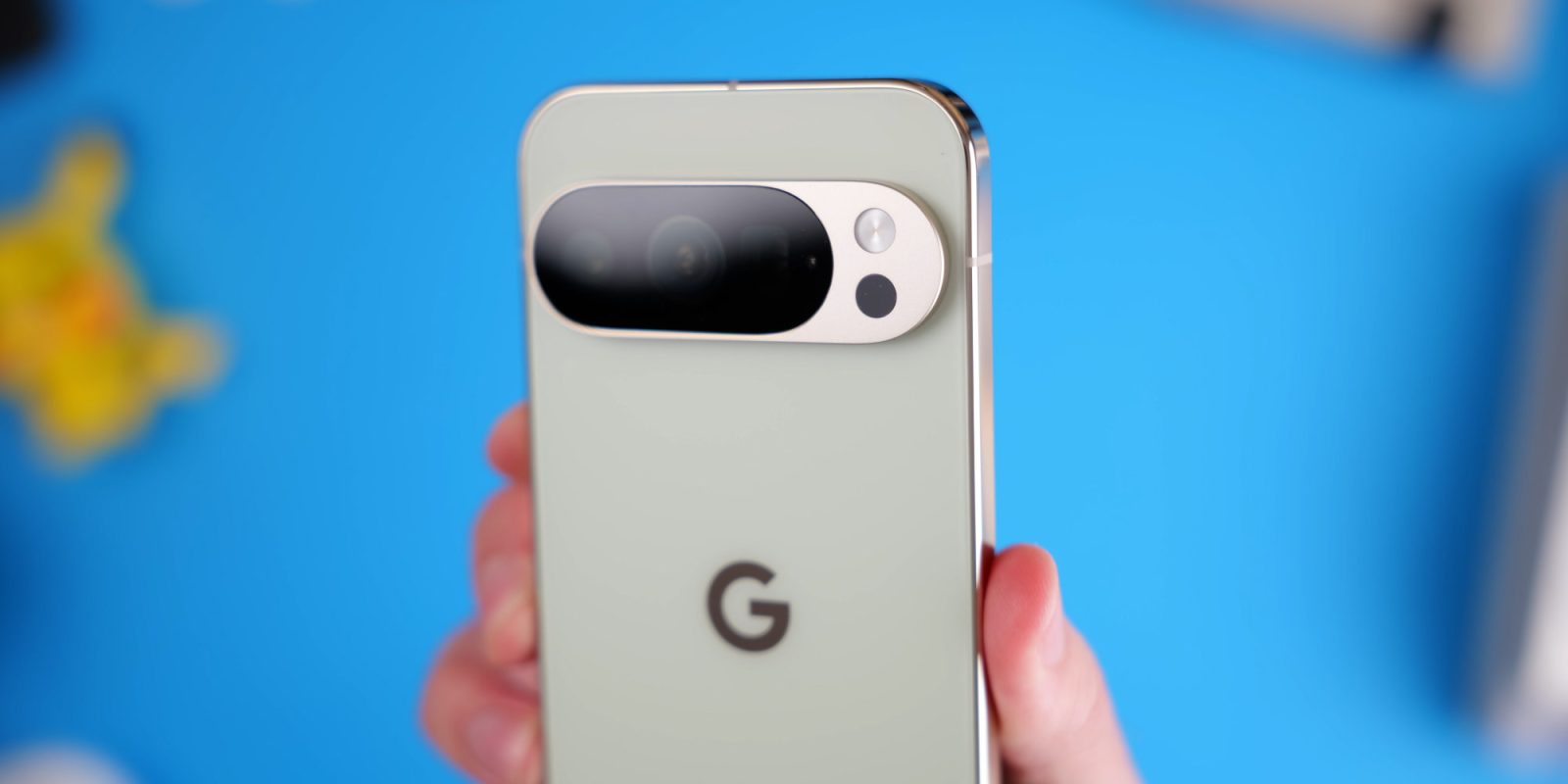
Google Pixel 10 Pro camera bar — 50MP main, 48MP ultra-wide, and 48MP 5x telephoto cameras
Camera hardware: the Pixel 10 Pro pairs a 50MP main sensor with a 48MP ultra-wide and a 48MP 5x telephoto.
Round 04

Main Camera

This is the closest round in the comparison. The Pixel 10 Pro's 50MP main sensor (f/1.68, large 1/1.31" sensor, optical stabilization) is backed by Google's computational photography, a 48MP ultra-wide with macro focus, and a Camera Coach feature that suggests how to frame a shot. The iPhone 17 Pro's 48MP Fusion Main (f/1.78, second-generation sensor-shift stabilization) also doubles as a 12MP optical-quality 2x lens, and its ultra-wide is a 48MP sensor too.

Where they differ is philosophy: Google's processing tends to produce bright, punchy HDR images, while Apple's is more restrained and consistent across lenses. For selfies, the Pixel has a 42MP autofocus front camera versus Apple's 18MP Center Stage camera. Honestly, both are excellent and which one you prefer comes down to taste. Round result: Tie. Browse more camera comparisons on our Electronics category page.

Round 05

Zoom Photography

Both phones carry a 48MP periscope telephoto, and both are better than the 12MP 3x lenses of the last generation. The Pixel 10 Pro's is a 5x optical lens (113mm, f/2.8) with AI-assisted zoom up to 100x. The iPhone 17 Pro's is a 4x optical lens (100mm, f/2.8) with 3D sensor-shift stabilization and autofocus, and it can crop in to 8x optical-quality (200mm) for a 16x optical-quality range, with digital zoom up to 40x.

Up to about 8x, the iPhone and the Pixel are close in quality. Beyond that, the Pixel reaches much further — but 100x is AI-assisted reconstruction, so treat it as a fun extra rather than something to rely on. For anyone who shoots distant subjects regularly, Round result: Pixel 10 Pro for its longer reach.

Round 06

Video Recording

Apple has dominated phone video for years and the iPhone 17 Pro continues that streak. It records 4K Dolby Vision up to 120 fps, supports ProRes and ProRes RAW, Apple Log 2, and Genlock for multi-camera setups, and adds Cinematic mode, Action mode, Dual Capture, and four studio-quality microphones. If you make video for YouTube, TikTok, or Instagram, it's the more complete toolkit.

The Pixel 10 Pro records 4K at up to 60 fps and offers cloud-processed Video Boost for improved low-light footage, with strong stabilization and good audio. It's fine for family clips and casual social video, but it doesn't match Apple's professional recording formats or frame rates. Round result: iPhone 17 Pro, clearly, for anyone who shoots video seriously.

Apple iPhone 17 Pro — rated for up to 31 hours of video playback
Battery ratings: Apple rates the iPhone 17 Pro for up to 31 hours of video playback; Google rates the Pixel 10 Pro for 24+ hours.
Round 07

Battery Life

The two phones are rated very differently, which makes this round hard to call on paper. Google lists the Pixel 10 Pro's 4,870 mAh battery at 24+ hours of typical use (and up to 100 hours with Extreme Battery Saver). Apple doesn't publish a capacity figure, and instead rates the iPhone 17 Pro for up to 31 hours of video playback (28 hours streamed).

Those numbers measure different things, so they can't be compared directly. In practice, both phones comfortably last a full day for most people, and heavy users on either will want to top up in the evening. Apple's number is higher on paper; Google's phone has the larger stated capacity and an extreme-saver mode. Round result: Tie. Neither gives you a meaningful daily advantage.

Round 08

Charging Speed

The iPhone 17 Pro charges faster on both wired and wireless connections. Apple says it reaches 50% in 20 minutes with a 40W adapter or higher (sold separately), and supports MagSafe and Qi2 wireless charging up to 25W, reaching 50% in about 30 minutes with a 30W adapter. The Pixel 10 Pro charges at 30W wired and up to 15W wirelessly over Qi2, with built-in magnets that work with Pixelsnap accessories.

Neither phone includes a charger in the box — the Pixel ships with a USB-C cable and the iPhone with a USB-C cable — so factor in the cost of a power adapter. Both support magnetic wireless charging, which is a real quality-of-life upgrade for Android users. Round result: iPhone 17 Pro, for faster wired and wireless charging.

Round 09

Software & Updates

Apple has historically dominated longevity — iOS updates reach older iPhones for 5-7 years — but it doesn't put a number in writing. Google does: the Pixel 10 Pro is promised 7 years of OS and security updates, the longest commitment of any major Android phone, plus regular "Pixel Drops" that add new features every few months. The iPhone 17 Pro shipped with iOS 26 and runs the current iOS 27.

Both phones will almost certainly be supported well into the 2030s. The difference is that Google's promise is a guarantee and Apple's is a track record. Pixel's Android 16 is also more customizable, while iOS is more tightly controlled and polished. Round result: Pixel 10 Pro, for the written update guarantee.

Round 10

AI Features

Google's AI is more deeply woven into the Pixel 10 Pro than Apple's is into the iPhone. Gemini is built into the system, Magic Cue surfaces the right information at the right moment, Camera Coach suggests better framing, and everyday features like Magic Eraser, Clear Calling, and Hold for Me work out of the box. It's a phone designed around AI from the camera to the dialer.

The iPhone 17 Pro runs Apple Intelligence, with writing tools, notification summaries, and Visual Intelligence through the Camera Control button. It's polished and privacy-focused, but narrower in scope. Round result: Pixel 10 Pro, for more AI features that are actually useful day to day.

Round 11

Ecosystem

If you have a Mac, iPad, Apple Watch, AirPods, and use iCloud — the iPhone 17 Pro is the only correct answer regardless of every other comparison point. AirDrop, Handoff, Continuity Camera, iMessage, and the Find My network work seamlessly because Apple owns the entire stack, and the iPhone's new Wi-Fi 7 and Bluetooth 6 radios come from Apple's own N1 chip.

Google's ecosystem is improving — Pixel Watch, Pixel Buds, Quick Share, and deep Google account integration all work well — but it doesn't approach Apple's depth. If you're a Windows, Chromebook, and Google Workspace user, though, the Pixel integrates smoothly in ways the iPhone can't match. Verdict: Apple wins for Apple users; Google wins for everyone else. Switching? Apple has a switch-from-Android guide.

Google Pixel 10 Pro in everyday use — a full day of real-world use on a flagship phone
Everyday use: for most people, the real difference between these two phones shows up in daily habits, not benchmarks.
Round 12 — Final

Real-World Daily Use

This is the round that matters most, and it doesn't have a clean winner. The iPhone 17 Pro wins more categories in this comparison — build, performance, video, charging, and ecosystem — but that doesn't make it the better buy. The deciding factor in late 2026 isn't the spec sheet — it's price and availability. The Pixel 10 Pro is still sold new by Google, listed from $749 (128GB) and $899 (256GB) when we checked; Apple no longer sells the iPhone 17 Pro, so you're shopping carriers, retailers, or refurbished units.

The right phone for you depends on which ecosystem you're already in. If you're already an iPhone user — stay with Apple. If you're already on Android — get the Pixel. If you're a fresh switcher with no commitments either way, the Pixel 10 Pro is the easier value buy today. Round result: It depends on you.

The final scoreboard

12 rounds of head-to-head comparison. Both phones won meaningful categories. Here's how they stacked up.

Google
4
Round wins · 3 ties
  • 01 · DesignLoss
  • 02 · Display✓ Win
  • 03 · PerformanceLoss
  • 04 · Main CameraTie
  • 05 · Zoom✓ Win
  • 06 · VideoLoss
  • 07 · BatteryTie
  • 08 · ChargingLoss
  • 09 · Software✓ Win
  • 10 · AI✓ Win
  • 11 · EcosystemLoss
  • 12 · Daily UseTie
VS
Apple
★ Round Winner
5
Round wins · 3 ties
  • 01 · Design✓ Win
  • 02 · DisplayLoss
  • 03 · Performance✓ Win
  • 04 · Main CameraTie
  • 05 · ZoomLoss
  • 06 · Video✓ Win
  • 07 · BatteryTie
  • 08 · Charging✓ Win
  • 09 · SoftwareLoss
  • 10 · AILoss
  • 11 · Ecosystem✓ Win
  • 12 · Daily UseTie

The final verdict: iPhone 17 Pro wins on paper, Pixel 10 Pro wins on value

The Apple iPhone 17 Pro wins the spec-sheet showdown 5-4 with 3 ties. It has the faster chip, better video tools, faster charging, a stronger build, and the best ecosystem in mobile. If you're shopping based on raw capability and you're already in the Apple world, the iPhone 17 Pro remains one of the best phones you can buy — it just isn't sold new by Apple anymore.

But here's the honest truth most reviews won't give you: "wins more rounds" doesn't mean "better buy". The Pixel 10 Pro has a better display on paper, longer zoom reach, more useful AI, and a 7-year update guarantee — and it's still sold new at the Google Store from $749 (128GB) when we checked, a long way below its $999 launch price. If you aren't locked into the Apple ecosystem, the Pixel 10 Pro is the easier value pick today. Want the newest hardware instead? Look at the Pixel 11 Pro or iPhone 18 Pro.

The right phone for you depends on which ecosystem you're already in. Read more comparisons on our comparison tool or browse other flagships on our Electronics category page.

Frequently asked questions

The questions our readers ask most often when choosing between Google and Apple flagships.

Should I switch from iPhone to Pixel 10 Pro in 2026?

Honestly? Probably not, unless you have a specific reason. The Pixel 10 Pro is a great phone with a sharp display, useful AI, and a 7-year update promise — but the friction of leaving the Apple ecosystem is real. You'll lose iMessage with your iPhone friends (your texts will turn green), Apple Watch compatibility (Apple Watch only works with iPhone), and seamless Continuity features with your Mac.

If you're using only an iPhone (no Mac, no Apple Watch, no AirPods) and you want more AI features at a lower price, switching to the Pixel 10 Pro makes sense. If you're embedded in the Apple ecosystem, stay with iPhone.

Should I buy these, or the Pixel 11 Pro or iPhone 18 Pro?

Both newer phones are out. Google launched the Pixel 11 Pro on August 12, 2026 at $1,099 with the new Tensor G6 chip, and Apple introduced the iPhone 18 Pro on September 9, 2026 at $1,199 with the A20 Pro chip and a variable-aperture camera. Each costs $100 more than its predecessor's launch price.

Honest take: each generation is a modest step forward. If you want the latest hardware, buy the newer phone. If you want the best value, the previous generation — especially the discounted Pixel 10 Pro — is hard to beat. Browse current offers on our deals page.

Which Pixel 10 Pro storage size should I buy?

Skip the 128GB model if you can. Google's Pixel 10 Pro uses UFS 3.1 storage in the 128GB version, while the 256GB, 512GB, and 1TB versions use faster UFS 4.0 storage. The 256GB model also matches the iPhone 17 Pro's 256GB starting capacity, which makes it the fairest comparison.

When we checked the Google Store, the Pixel 10 Pro was listed from $749 for 128GB and $899 for 256GB, with prices that change often — so check the current price before you buy.

Which phone is better for video?

The iPhone 17 Pro, by a clear margin. It records 4K Dolby Vision at up to 120 fps, supports ProRes, ProRes RAW, and Apple Log 2, and adds Genlock for multi-camera shoots. Those are professional tools that the Pixel 10 Pro doesn't offer.

For casual video — family clips, trips, social posts — both phones produce excellent results, and the Pixel's Video Boost can improve low-light footage. Read Apple's full video specs if you're a serious creator.

Where can I still buy an iPhone 17 Pro?

Apple stopped selling the iPhone 17 Pro on September 9, 2026, the day it introduced the iPhone 18 Pro. You can still find new or carrier-stocked units at some retailers and carriers while supplies last, and third-party refurbishers have listed 256GB units at roughly $850 to $990, depending on seller and condition.

If you buy refurbished, choose a seller with a warranty and a return policy, and check that the phone is unlocked and has a healthy battery. If you'd rather buy new from the manufacturer, the Pixel 10 Pro on the Google Store is the simpler path.

Get our weekly buying guides

Honest comparison reviews like this one, plus the best deals on the products we test. No spam, ever — unsubscribe in one click.