iPhone 17 Pro vs. Galaxy S26 Ultra: Which Flagship Wins?

We compared both phones across design, cameras, battery, charging and AI. After 12 rounds of head-to-head comparison, the winner on paper isn't the winner for everyone — and the answer depends more on you than on the specs.

SP
Sam Park
Senior Mobile Editor · 11 years reviewing smartphones
287 comments 7.8k shares

Every couple of years, the smartphone industry gives us two flagship phones priced within a couple of hundred dollars of each other that pull in completely different directions. 2026 is one of those years. The iPhone 17 Pro and the Samsung Galaxy S26 Ultra are both premium flagships with industry-leading cameras, blazingly fast 3nm chips, and ecosystem-defining software — but they're built around fundamentally different philosophies of what a smartphone should be.

I've been covering smartphones for 11 years, and this matchup is one of the more interesting ones. The iPhone 17 Pro arrived in September 2025 with a redesigned aluminum body, a vapor-chamber cooling system, and a camera system where all three rear lenses are 48MP. The Galaxy S26 Ultra followed in early 2026 with a faster f/1.4 main lens, a built-in Privacy Display, and the most powerful Galaxy AI suite yet. The result is closer than the spec sheets suggest.

This isn't a "spec sheet showdown" review. Spec sheets don't tell you which phone you'll actually enjoy using. What follows is 12 rounds of head-to-head battles across the categories that matter — design, display, cameras, battery, performance, software, ecosystem, and the one thing that turned out to determine the entire result. Figures come from each manufacturer's published specifications and from side-by-side coverage by outlets like PhoneArena and 9to5Google. If you're shopping right now, see the bigger iPhone 17 Pro Max or the full Galaxy S26 Ultra buy page for current pricing.

Apple iPhone 17 Pro

  • Display 6.3" OLED 120Hz, 3,000 nits
  • Chip Apple A19 Pro
  • Main camera 48MP, f/1.78
  • Zoom 4x optical (48MP telephoto)
  • Battery 4,252 mAh (US model)
  • Charging 35W wired / 25W MagSafe
  • Frame Aluminum unibody + vapor chamber
  • Weight 204 g
  • OS support 5-7 years (Apple typical)
  • Starting price $1,099

Samsung Galaxy S26 Ultra

  • Display 6.9" QHD+ 120Hz, 2,600 nits
  • Chip Snapdragon 8 Elite Gen 5 for Galaxy
  • Main camera 200MP, f/1.4
  • Zoom 3x + 5x optical (50MP)
  • Battery 5,000 mAh
  • Charging 60W wired / 25W wireless
  • Frame Aluminum + Gorilla Armor 2
  • Weight 214 g
  • OS support 7 years (industry-leading)
  • Starting price $1,299
Round 01

Design & Build Quality

Apple moved away from titanium this year. The iPhone 17 Pro uses an aluminum unibody with a vapor chamber for cooling and a Ceramic Shield 2 back that Apple says is far tougher than the previous generation. At 204g it's the more compact, easier-to-pocket phone. The Galaxy S26 Ultra keeps Samsung's flat-edge industrial look with an aluminum frame and Gorilla Armor 2 on the front. At 214g it's only about 10g heavier — but it's also thinner at 7.9mm versus the iPhone's 8.75mm, and noticeably larger overall.

Both have IP68 dust and water resistance. Apple's Action Button and Camera Control are genuinely useful once you set them up. Samsung's built-in S Pen slot is the design hallmark that no other flagship offers. Winner: Subjective, but if hand comfort and a smaller footprint matter more than a bigger screen and stylus, the iPhone 17 Pro wins this round.

Round 02

Display

The display round comes down to size and features versus raw brightness. Samsung's 6.9" QHD+ Dynamic AMOLED 2X panel is a flat, near edge-to-edge screen with a tiny punch-hole, and it adds a world-first Privacy Display that narrows the viewing angle so people next to you on a train can't read your screen. It's a genuinely useful feature, not a gimmick, and the bigger flat panel is better for the S Pen and for split-screen productivity. It peaks at 2,600 nits.

The iPhone 17 Pro's 6.3" Super Retina XDR display is excellent — accurate color, perfect blacks, ProMotion 120Hz — and actually reaches a higher peak of 3,000 nits, so it's the brighter screen in direct sunlight. But it's meaningfully smaller and still uses the Dynamic Island. If you want a bigger Apple display, you need the iPhone 17 Pro Max at $1,199. For overall screen experience and features, Samsung takes this round, though Apple wins on peak brightness.

Round 03

Performance & Chip

The A19 Pro in the iPhone 17 Pro and the Snapdragon 8 Elite Gen 5 for Galaxy in the S26 Ultra are two of the fastest mobile chips ever shipped — and you're very unlikely to feel the difference in everyday use. Both launch apps instantly, both handle 4K video editing without hitching, and both run demanding games at high settings. Both phones carry 12GB of RAM in their base configurations.

Benchmark coverage is split: Apple's chip has historically led in single-core CPU performance, while PhoneArena found the Galaxy ahead in Geekbench 6 multi-core by a notable margin. Apple's new vapor chamber helps the iPhone sustain performance under load, and Samsung has redesigned its own vapor chamber too. Real-world translation: very little. Round result: Tie. Both chips are massive overkill for typical use.

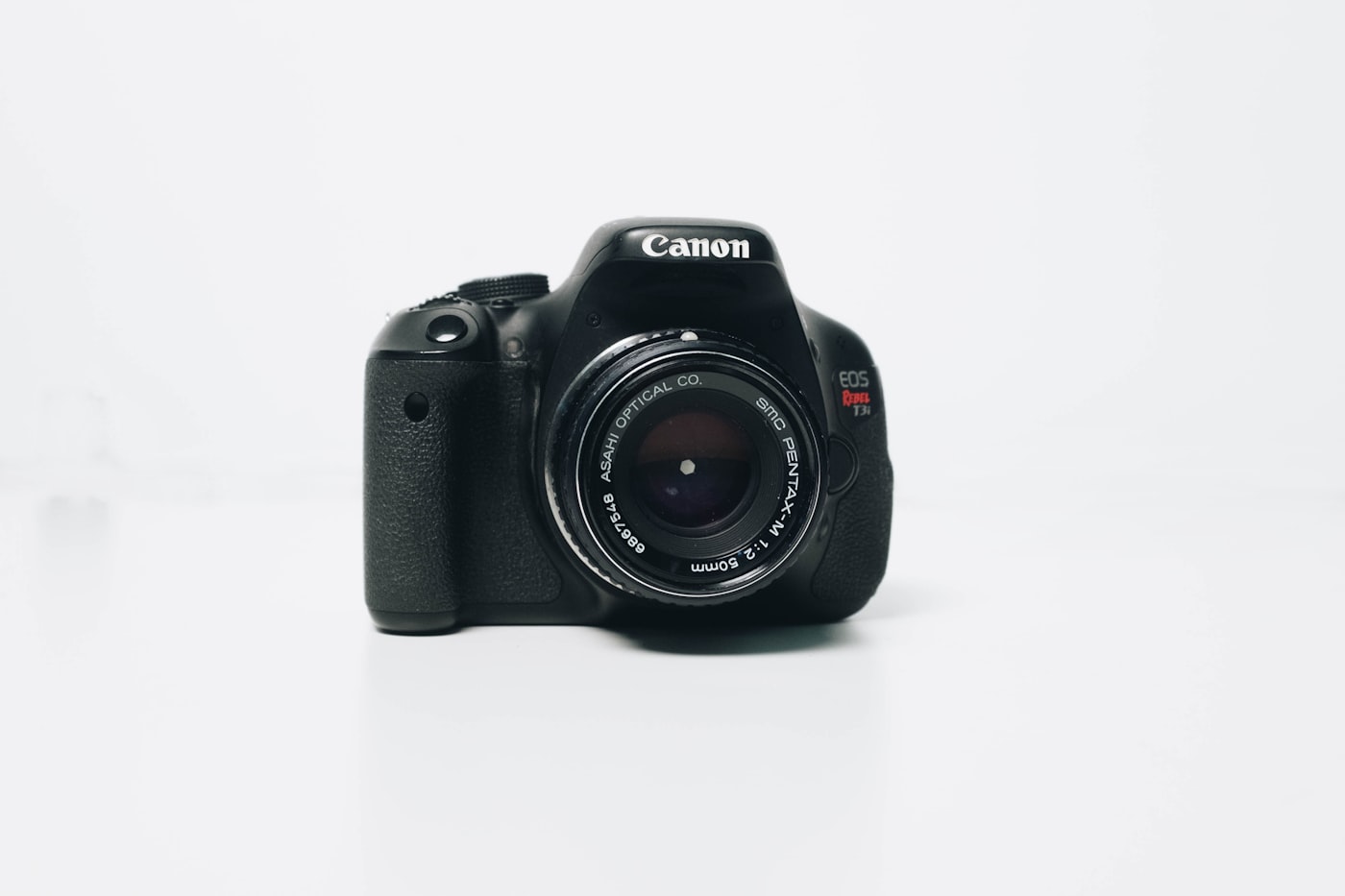
Photographer holding a camera — smartphone camera comparison for iPhone vs Samsung
Camera round: a 48MP f/1.78 triple system against a 200MP f/1.4 quad system.
Round 04

Main Camera

On paper, the Samsung S26 Ultra wins by a mile — a 200MP main sensor with a fast f/1.4 aperture versus the iPhone 17 Pro's 48MP f/1.78. In practice, it's a matter of taste. Samsung's wider aperture and heavier processing help in dim scenes: 9to5Google noted that the Galaxy uses long exposure and post-processing to produce arguably better images when lighting is difficult. Apple's processing is more restrained — colors stay closer to what you saw, and skin tones look natural in portraits.

For everyday photography (people, food, pets, casual moments), the iPhone's output looks natural straight out of the camera. For low light and travel photography where you want maximum resolution to crop, the Samsung has the edge. Because the two trade blows depending on the scene, we're calling this one a draw. Browse more camera comparisons on our Electronics category page.

Round 05

Zoom Photography

The Galaxy S26 Ultra wins the zoom category. Samsung includes two telephoto lenses — a 10MP 3x optical and a 50MP 5x periscope — versus the iPhone 17 Pro's single 48MP 4x periscope lens. PhoneArena's comparison concluded that zoom is the one area where the Galaxy still holds a clear advantage over Apple's phones. At longer distances, Samsung's dedicated lenses and its extended digital zoom capture more detail.

Where the iPhone holds its own is in versatility: its 48MP telephoto sensor lets Apple crop in for an extra "optical-quality" step, and 4x is a very usable middle ground focal length for portraits and street photography. But for anyone who shoots wildlife, sports, distant architecture, or zoomed details, the S26 Ultra is the stronger zoom camera.

Round 06

Video Recording

Apple has dominated phone video for years and the iPhone 17 Pro continues that streak. 4K Dolby Vision recording at high frame rates, ProRes capture with external SSD support, Cinematic mode with rack focus, Action mode for stabilized handheld shots, and class-leading dynamic range in mixed-lighting scenes. If you make video content for YouTube, TikTok, or Instagram, the iPhone 17 Pro is the safe choice.

The Galaxy S26 Ultra shoots 8K at 30fps, which sounds impressive but is rarely useful — 8K files are massive and most editing workflows still struggle with them. Samsung's video processing keeps improving but still leans toward punchy, high-contrast footage. For social video and content creation, iPhone wins. For "8K bragging rights," Samsung wins. Round result: iPhone 17 Pro, especially for any actual video work. Read more about video tools on our blog.

Smartphone charging cables and power — battery capacity and charging speed comparison
Battery and charging round: 5,000 mAh with 60W wired charging against 4,252 mAh with 35W.
Round 07

Battery Life

Samsung wins the battery round on raw capacity: 5,000 mAh versus 4,252 mAh in the US iPhone 17 Pro (SIM-tray models sold elsewhere have a smaller 3,988 mAh cell). That's roughly 18% more capacity in the Galaxy. GSMArena's standardized endurance rating for the S26 Ultra comes in at 55 hours, a very strong result, while Apple rates the iPhone 17 Pro for up to 33 hours of video playback.

However, Apple's tight hardware-software integration means the iPhone makes the most of its smaller cell, and 9to5Google's long-term impression was that the iPhone 17 line is simply more reliable over the long run. If you're a heavy all-day user or frequent traveler, Samsung wins this round clearly; if you want a phone that's dependable and efficient, Apple closes the gap more than the numbers suggest. Note that the iPhone 17 Pro Max (5,088 mAh) matches Samsung's capacity.

Round 08

Charging Speed

The S26 Ultra charges meaningfully faster than the iPhone 17 Pro on wired connections — 60W versus 35W. Samsung quotes a full charge in roughly 50 minutes with a compatible charger, and the jump from 45W on the previous generation is the biggest change to its charging in years. Apple's 35W is respectable and a clear step up from older iPhones, but it can't match Samsung on pure speed.

Wireless charging is closer: the Galaxy supports 25W wireless charging plus 4.5W reverse wireless charging for earbuds and accessories, while Apple's MagSafe also delivers up to 25W on the iPhone 17 Pro. Apple's MagSafe ecosystem of magnetic accessories (chargers, wallets, cases) is genuinely more convenient than a conventional Qi pad. Samsung wins on raw speed, Apple wins on accessory convenience. Verdict: Samsung wins this round.

Round 09

Software & Updates

Apple has historically dominated this category — iOS updates come to all current iPhones simultaneously, and even older iPhones get major versions for 5-7 years. But Samsung closed the gap: the S26 Ultra continues its flagship commitment of 7 years of OS and security updates, the longest software commitment on any mainstream Android phone, and a guarantee that Apple, which makes no formal promise, doesn't match on paper.

The iPhone 17 Pro ships with iOS 26 and will very likely receive updates well into the 2030s. The Galaxy S26 Ultra ships with Android 16 and is guaranteed updates until 2033. For longevity, this round is a tie. Samsung's One UI is feature-rich but more cluttered; Apple's iOS is cleaner but more locked down. Verdict: Tie.

Round 10

AI Features

This is the most visible software difference between the two phones. Samsung's Galaxy AI, working in tandem with Google's Gemini, is the most ambitious smartphone AI suite any major manufacturer ships. Live Translate handles real-time call translation, Circle to Search lets you circle anything on screen for an instant Google search, Photo Assist and Creative Studio remove objects and edit images with generative AI, and Gemini-powered assistant features run throughout the phone.

Apple's answer is Apple Intelligence, which the iPhone 17 Pro fully supports, with features like Writing Tools, Visual Intelligence and live translation. But 9to5Google's long-term comparison found that Siri still struggles with complex or conversational tasks compared to Gemini, and Apple has only now announced a rebuilt Siri coming with iOS 27. Samsung's AI features are more complete and more useful today. Samsung wins this round. Compare more flagship phones on our comparison tool.

Round 11

Ecosystem

If you have an iPhone, iPad, MacBook, Apple Watch, AirPods, and use iCloud — the iPhone 17 Pro is the only sensible answer regardless of every other comparison point. The Apple ecosystem in 2026 is genuinely transformative: Continuity Camera (use your iPhone as a webcam), Universal Clipboard (copy text on Mac, paste on iPhone), AirDrop file transfers, Handoff (start an email on Mac, finish on iPhone), and the Find My network for any device. These features work because Apple owns the entire stack.

Samsung's ecosystem keeps improving — Quick Share now works across Android, Galaxy Buds pair seamlessly with Samsung devices, and Galaxy tablets and watches integrate well — but it doesn't approach Apple's depth. If you're already in the Apple ecosystem, switching to Samsung means losing more than you gain. If you're a Windows + Android user, the S26 Ultra integrates with Microsoft Phone Link and Samsung DeX in ways the iPhone can't match. Verdict: Apple wins for Apple users; Samsung wins for everyone else.

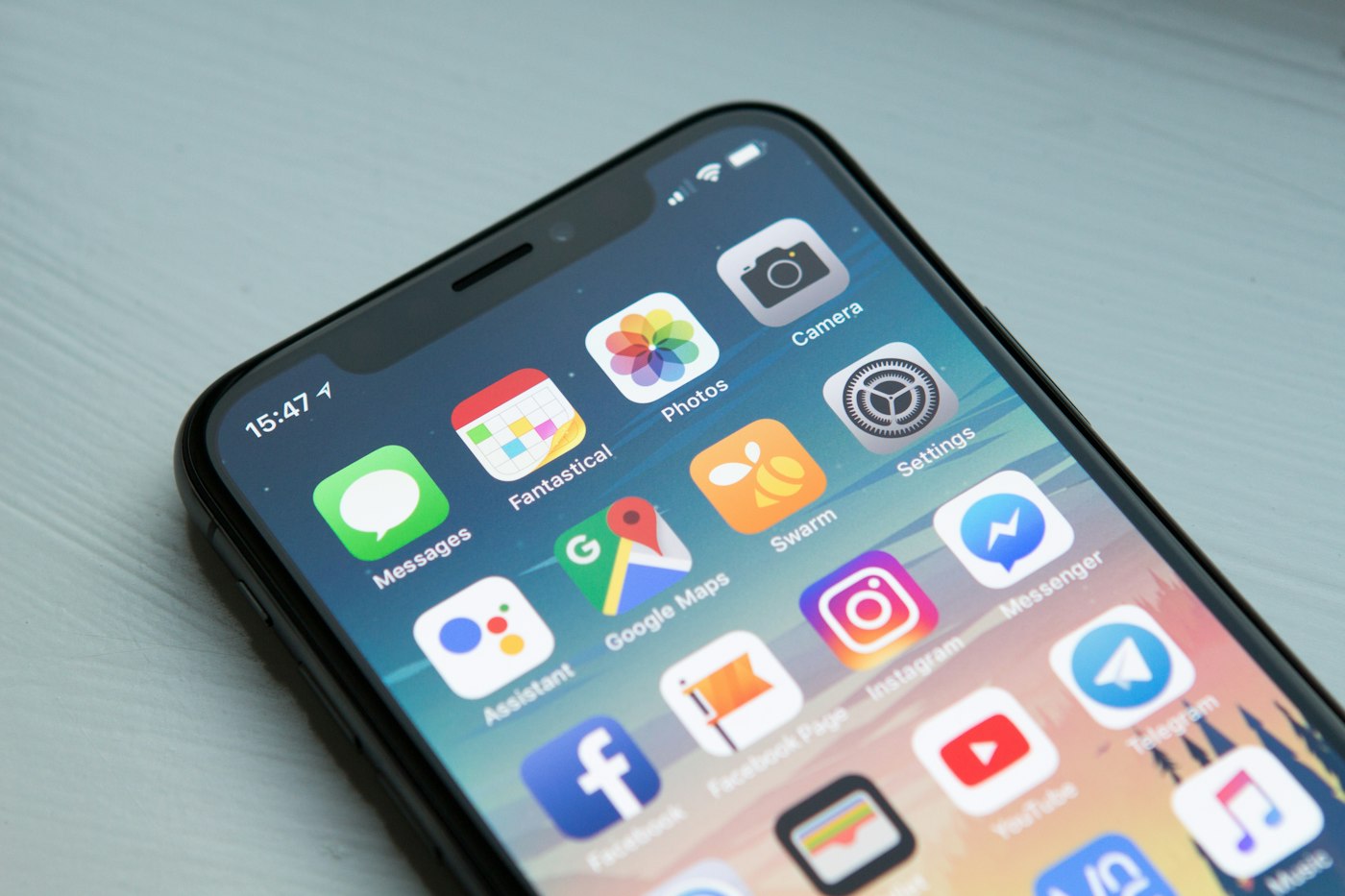
Person using a smartphone throughout the day — real-world daily use comparison of both phones
Daily-use round: from the morning alarm to bedtime, which phone creates less friction?
Round 12 — Final

Real-World Daily Use

This is the round that matters most and the one that complicates the scoreboard. Samsung wins more of the individual categories in this comparison, but daily use isn't a sum of categories. The iPhone 17 Pro is the smaller, lighter phone, its photos look good without editing, and the integration with a Mac, Apple Watch and AirPods makes daily friction lower. Even 9to5Google's head-to-head concluded that the iPhone is simply the more reliable of the two over time.

The Samsung Galaxy S26 Ultra is genuinely the more capable phone. Bigger screen. Bigger battery. Faster charging. Better zoom. Stronger AI. S Pen for productivity. Privacy Display. 7 years of updates. If you're buying purely on capability, buy the Samsung. But capability isn't the only thing that matters, and the honest answer most reviews won't give is that ecosystem inertia matters more than spec sheets.

The right phone for you depends on which ecosystem you're already in. If you're already an iPhone user — stay with Apple. If you're already on Android — get the Galaxy. If you're a fresh switcher with no commitments either way, the Samsung S26 Ultra is the more capable phone for the money. Round result: It depends on you.

The final scoreboard

12 rounds of head-to-head comparison. Both phones won meaningful categories. Here's how they stacked up.

Apple
3
Round wins · 4 ties
  • 01 · Design✓ Win
  • 02 · DisplayLoss
  • 03 · PerformanceTie
  • 04 · Main CameraTie
  • 05 · ZoomLoss
  • 06 · Video✓ Win
  • 07 · BatteryLoss
  • 08 · ChargingLoss
  • 09 · SoftwareTie
  • 10 · AILoss
  • 11 · Ecosystem✓ Win
  • 12 · Daily UseTie
VS
Samsung
★ Round Winner
5
Round wins · 4 ties
  • 01 · DesignLoss
  • 02 · Display✓ Win
  • 03 · PerformanceTie
  • 04 · Main CameraTie
  • 05 · Zoom✓ Win
  • 06 · VideoLoss
  • 07 · Battery✓ Win
  • 08 · Charging✓ Win
  • 09 · SoftwareTie
  • 10 · AI✓ Win
  • 11 · EcosystemLoss
  • 12 · Daily UseTie

The final verdict: Samsung wins on paper, Apple wins for Apple users

The Samsung Galaxy S26 Ultra wins the spec-sheet showdown 5-3 with 4 ties. It has a bigger display with a built-in Privacy Display, a larger battery, much faster charging, better zoom, more useful AI features, and 7 years of guaranteed updates. If you're shopping based on capability and you're not already invested in either ecosystem, the Galaxy S26 Ultra at $1,299 is the more capable phone.

But here's the honest truth most reviews won't give you: "more capable" doesn't mean "better for you". If you're already deep in the Apple ecosystem — Mac, iPad, Apple Watch, AirPods, iCloud, iMessage — the iPhone 17 Pro's lower switching friction, smaller size and excellent video outweigh Samsung's capability advantages for most users. Apple loyalists upgrading from older iPhones should buy the iPhone 17 Pro without hesitation. Want the bigger Pro Max model? It adds a 6.9" display and a 5,088 mAh battery for $100 more.

The right phone for you depends on which ecosystem you're already in. Read more comparisons on our comparison tool or browse other flagships on our Electronics category page.

Frequently asked questions

The questions our readers ask most often when choosing between Apple and Samsung flagships.

Should I switch from iPhone to Galaxy S26 Ultra in 2026?

Honestly? Probably not, unless you have a specific reason. The Galaxy S26 Ultra is the more capable phone on paper — better zoom, a bigger display, longer battery, faster charging, more AI features — but the friction of leaving the Apple ecosystem is real. You'll lose iMessage with your iPhone friends (your texts will turn green), Apple Watch compatibility (Apple Watch only works with iPhone), and seamless Continuity features with your Mac.

If you're using only an iPhone (no Mac, no Apple Watch, no AirPods) and you're frustrated with Apple's restrictions, switching to the Galaxy S26 Ultra makes sense. If you're embedded in the Apple ecosystem, stay with iPhone — the capability advantages don't outweigh the switching costs for most users.

Is the iPhone 17 Pro Max worth $100 more than the Pro?

The Pro Max ($1,199) adds three main things over the Pro ($1,099): a larger 6.9" display (vs 6.3"), a bigger 5,088 mAh battery (vs 4,252 mAh in the US Pro), and a heavier body to go with them. The camera system, including the 4x telephoto, is the same on both. If screen size or battery life matter to you, the upgrade is worth it. If you prefer a smaller phone, save the $100 and buy the regular Pro.

See Apple's iPhone 17 Pro page for the full breakdown of both models.

How does the Galaxy S26 Ultra camera really compare to iPhone 17 Pro Max?

Both phones produce excellent photos in nearly every situation. The differences come down to tuning: Samsung's faster f/1.4 main lens and aggressive processing help in difficult lighting and produce punchy, social-media-ready photos, while Apple processes more conservatively, keeping colors and skin tones closer to reality. The iPhone's night shots keep a natural look, while the Galaxy leans on long exposure and noise removal.

For zoom photography, the S26 Ultra has a meaningful advantage thanks to its dedicated 3x and 5x optical lenses. For video recording, Apple wins thanks to ProRes and Cinematic mode. For everyday people-and-food photos, the iPhone produces more consistent and natural-looking results.

What's the deal with Apple Intelligence vs Galaxy AI?

This is one of the biggest practical differences right now. Samsung's Galaxy AI ships on the S26 Ultra with features like Live Translate, Circle to Search, Photo Assist and Creative Studio, backed by Google's Gemini. Apple Intelligence runs fully on the iPhone 17 Pro with Writing Tools, Visual Intelligence and live translation, but Siri remains weaker on complex, conversational requests.

If you want the strongest AI features today, the Galaxy S26 Ultra is ahead. Apple has announced a rebuilt Siri with iOS 27, which should narrow the gap — see Apple Intelligence and Galaxy AI for each company's current feature list.

Will the iPhone 17 Pro feel slow in 3 years?

Almost certainly not. The A19 Pro chip is so over-powered for current mobile workloads that it'll comfortably handle anything iPhones do for at least 4-5 years. Apple's hardware/software optimization means iPhones tend to feel new for longer, and the new vapor-chamber cooling helps the chip hold its performance under heavy load.

The bigger long-term concern is battery health, not chip performance. Both phones will eventually need a battery replacement after several years of heavy use, which both manufacturers offer through their service programs.

Does the S Pen really matter?

For most users, no. The S Pen is genuinely useful for handwritten notes, signing PDFs, drawing, or marking up documents — but most people don't do these things daily on their phone. If you're a student, journalist, designer, or someone who takes lots of handwritten notes, the S Pen is transformative. If you just text and scroll, it's a feature you'll forget about.

That said, Samsung removed Bluetooth from the S Pen starting with the S25 Ultra, which means you lose remote camera shutter and presentation-clicker functionality. It's still a great stylus, just less of a "killer feature" than it used to be.

Should I wait for iPhone 18 Pro or Galaxy S27 Ultra?

Apple has already released the iPhone 18 Pro and iPhone 18 Pro Max, which went on sale on September 18, 2026. That makes the iPhone 17 Pro a previous-generation phone, so it's worth checking for discounts on our deals page. Samsung's Galaxy S26 Ultra, released in March 2026, is still Samsung's current Ultra, and its successor is typically expected in early 2027.

Honest take: each generation is a modest step up from the previous one. Buy when you need a new phone. Don't wait for incremental annual upgrades unless a specific new feature matters to you.

Which has better battery life — iPhone or Samsung?

Samsung wins on paper. The Galaxy S26 Ultra has a 5,000 mAh battery vs the iPhone 17 Pro's 4,252 mAh — roughly 18% more capacity — and GSMArena rated its endurance at 55 hours. The iPhone 17 Pro Max (5,088 mAh) closes the gap, but it's also a larger, pricier phone.

For people who travel frequently, work remote, or simply hate charging mid-day, the Samsung's battery and 60W charging are a meaningful daily quality-of-life improvement.

What about repair costs and warranties?

Both manufacturers sell extended protection plans that cover accidental damage: AppleCare for iPhone and Samsung Care+ for Galaxy. Out-of-warranty screen and battery repair prices change often, so check each company's support page before you buy rather than relying on a number in a review.

Apple has more retail repair locations (Apple Stores) than Samsung (which uses authorized partners), which can matter if you live somewhere remote. Both manufacturers offer a standard limited warranty on manufacturing defects — see Samsung Support for details on the Galaxy side.

Get our weekly buying guides

Honest comparison reviews like this one, plus the best deals on the products we test. No spam, ever — unsubscribe in one click.